
Apprenticeship and Simulation in Early Childhood Education and Healthcare Feature in Projects
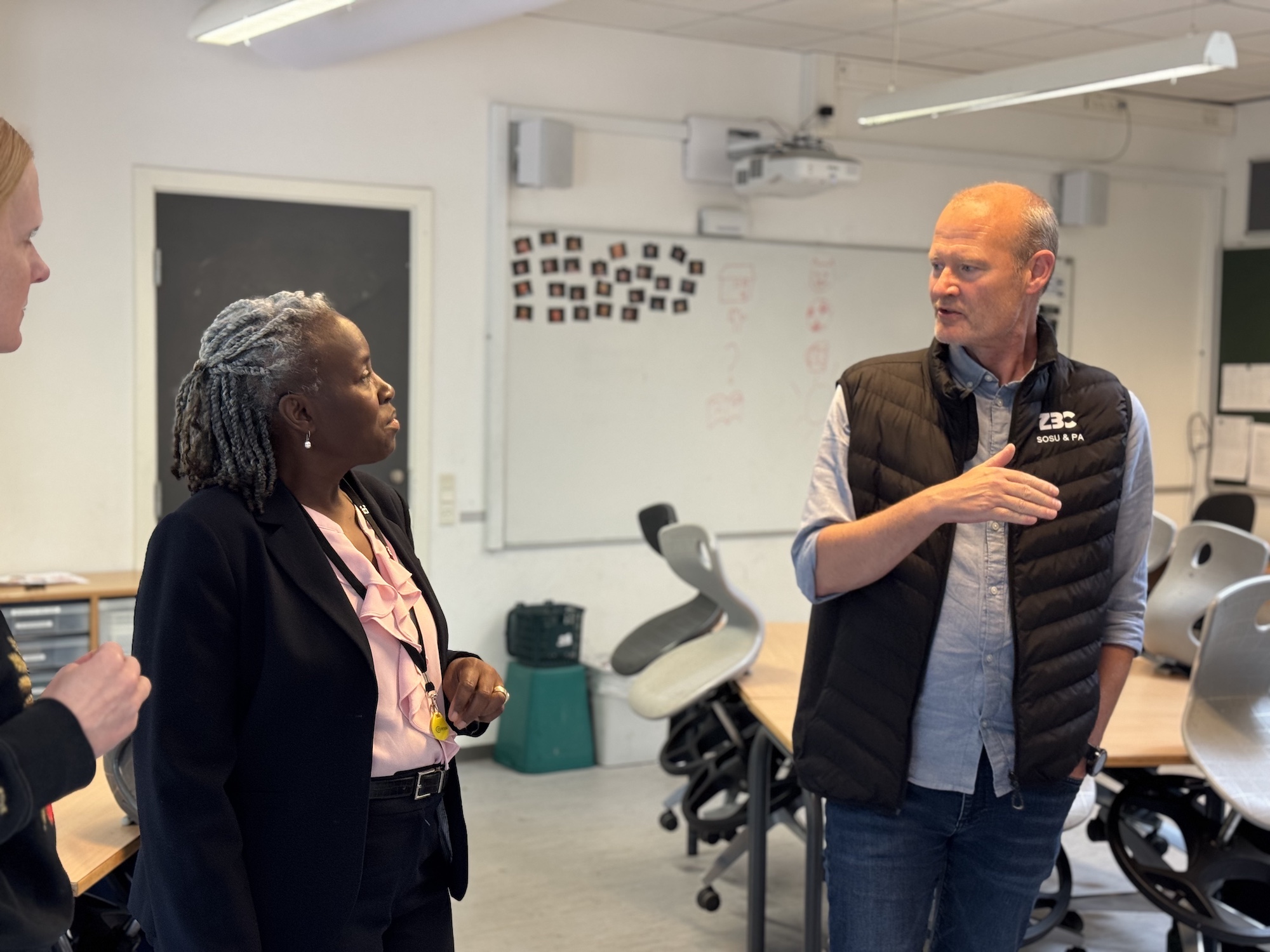
Roskilde, Denmark. – A week could have easily turned into a month with all the knowledge there is to share about early childhood pedagogy, simulation, and healthcare across U.S. and Danish higher education systems. But, for a pair of Central Georgia Technical College (CGTC) instructors, two obvious comparisons took no time at all to develop.
Apprenticeship and simulation are foundational workforce development models and instructional tools serving as a foundation of success for students enrolled at Zealand Business College (ZBC), one of Denmark’s leading vocational colleges.
In what was an active, five-day itinerary funded in-part, by the Danish National Agency, Dr. Paula McGhee, program chair for Early Childhood Care and Education, and Courtney Phillips, an instructor in the Nursing program, spent the first week of June touring and lecturing among students and faculty at ZBC to compare higher education in Central Georgia to Denmark, and foster discussions about their respective career programs.
“Sharing this type of technical knowledge amongst cultures is vital to producing a global workforce that is competent, compassionate, and skillful to meet the needs of rapidly changing economies,” said JoBen Rivera-Thompson, CGTC’s director of Marketing, Public Relations, and International Outreach. He joined CGTC faculty in Denmark as a staff representative.

Much like CGTC, ZBC is a leader in technical education regionally, serving thousands on an island service area on the rural outskirts of Copenhagen, comparable in size to the 11 counties in Georgia served by the College.
ZBC and CGTC signed an agreement for mutually beneficial international education initiatives in 2024. Where a week this summer provided only a small glimpse into the day-to-day of two programs, the virtual legwork in the months before the visit established a baseline understanding of each institution’s academic structures and student-centered initiatives.
The Pedagogy Assistant program, what CGTC would call Early Childhood Care and Education, and Practical Nursing, are two of ZBC’s nationally recognized programs.
The goal of the visit in June was for faculty from both institutions to enhance knowledge of international best practices in simulation-based learning for nursing and pedagogy students, strengthen intercultural competence and global healthcare perspectives among faculty, and deepen understanding of vocational nursing education models in Denmark as it relates, in part, to elder care.
ZBC impressed upon CGTC faculty a considerable care for the whole well-being of students, no matter their background; care for the way each student processes topics, how they experience a course, and how connected they are to the industry for work.
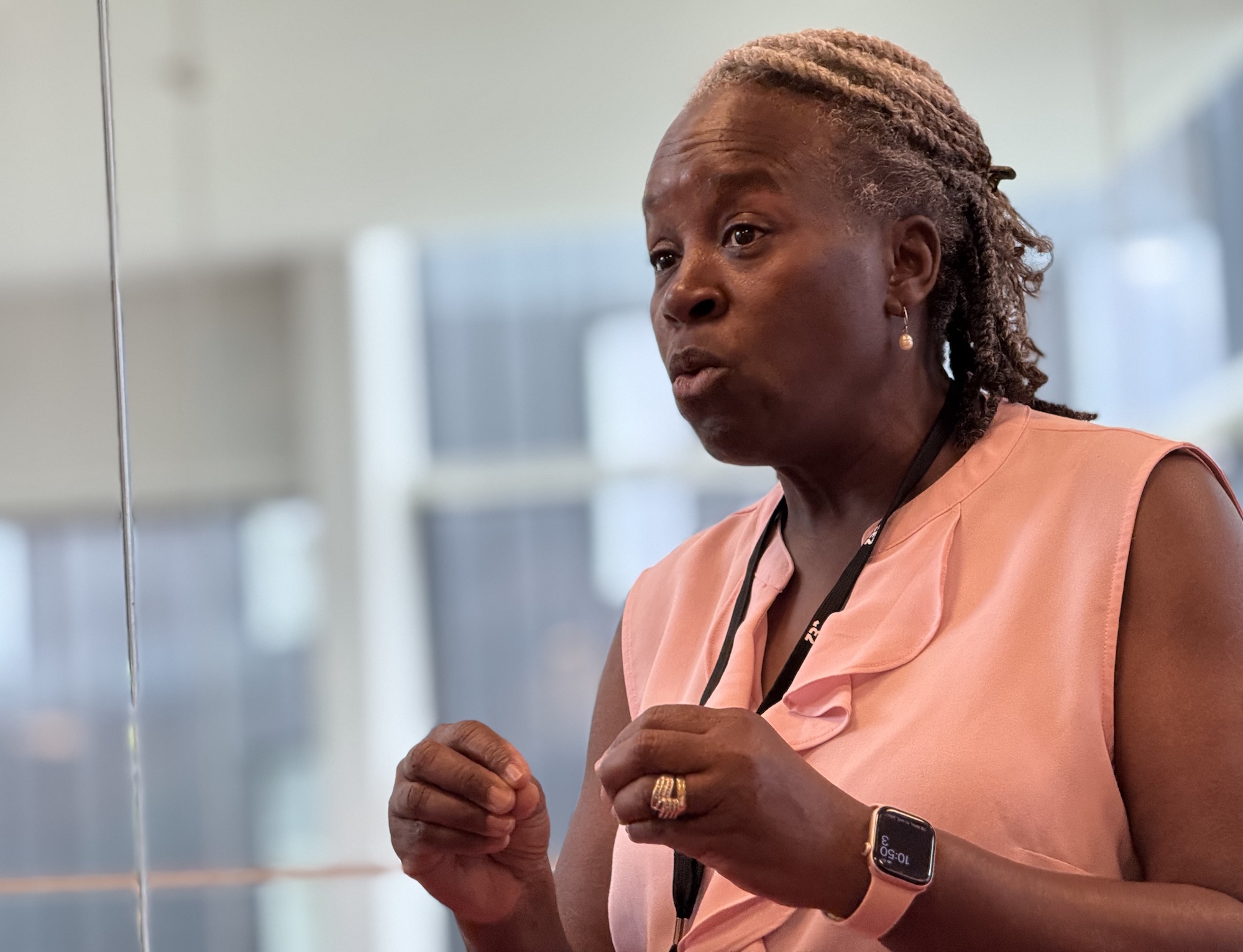
Dr. McGhee and Phillips were influenced most by the structure of apprenticeships. More than 150 years of development in the Danish labor model has tied this paid work placement to education, training, and workforce development. Its structure drives planning and implementation of all programs, including Pedagogy and Practical Nursing.
Perhaps the clearest distinction between the approach to apprenticeship in technical and community colleges in Denmark compared to Georgia is that in Denmark, apprenticeship is a starting point for all programs and not just associated with classical trades.
In the U.S., it is common for a construction or electrical company, for example, to take on the burden of educational costs or provide a wage for job placement and education. In fact, while CGTC faculty were in Denmark, a Macon-based electrical contractor launched a registered apprenticeship program for more than a handful of students.
The same is a guarantee in Denmark; the difference is that a childcare assistant student, a practical nurse, a construction manager, a culinary student, a cosmetologist, or any program student will begin their education with placement in an apprenticeship. No matter the industry, apprenticeship is standard. Government, private industry, and education facilitate apprenticeship together in lockstep.
“Of course, for apprenticeship to work, companies, colleges, unions, and students have to do their part,” said Jesper Borreson Hansen, dean of Pedagogy at ZBC. “But our model is well-respected, and we are encouraged that our colleagues in the United States admire the efforts the Danish education system and ZBC have strived for to keep it beneficial to students.”
Outside of the apprenticeship model, Phillips gleaned valuable information from the importance of structure in simulation and its effect on students.
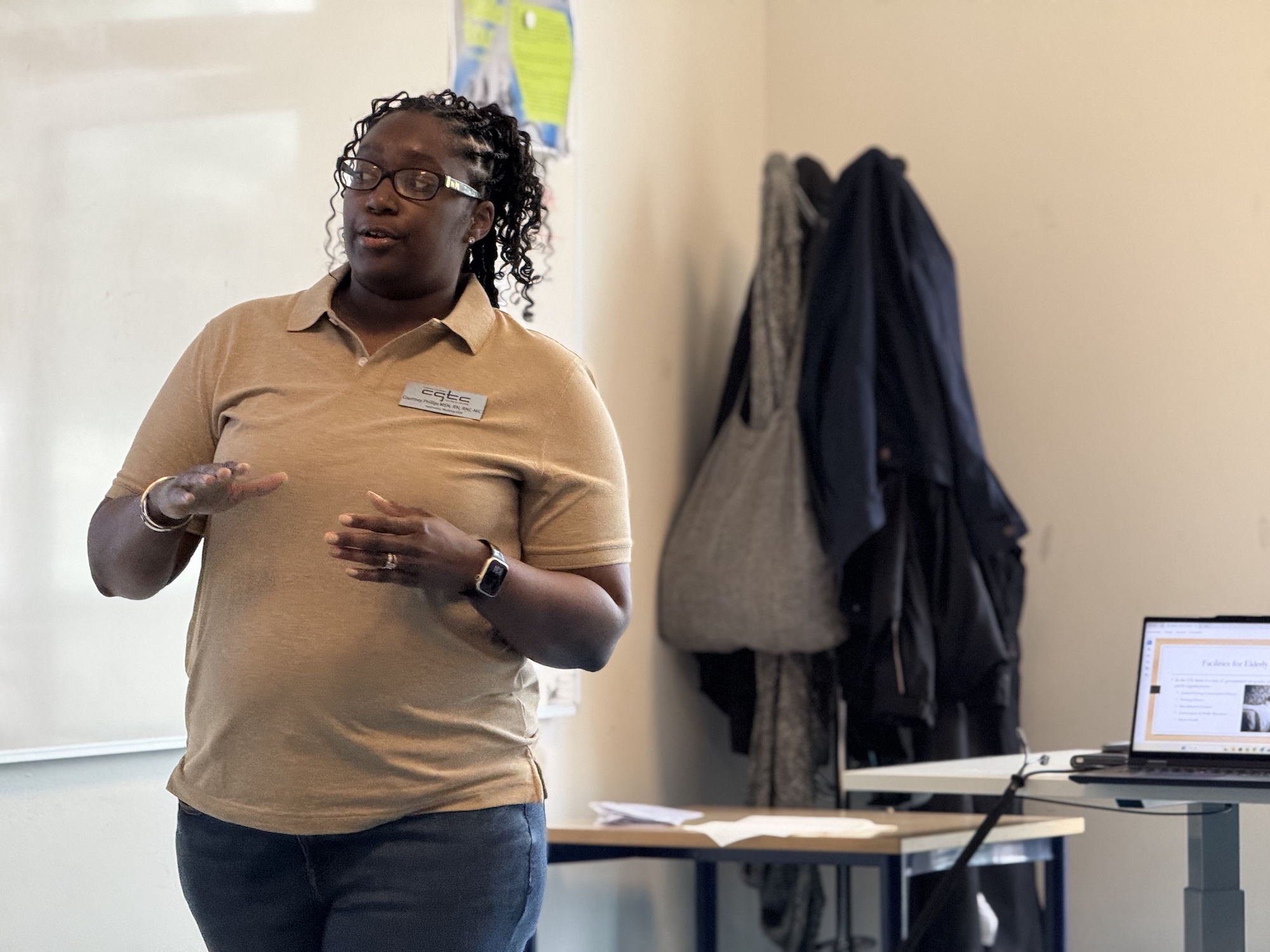
“Across both institutions and countries, simulation is critical to learning,” she said. “But our colleagues at ZBC have found evidence that students open up to it and expect it.”
While Phillips could just have taken Henson’s word for it, she saw first-hand how much it meant to the students she interacted with. Phillips and McGhee observed simulation activities in both programs.
“Students at ZBC want simulation over lectures where possible,” McGhee said.
Simulation is scenario-based instruction. It’s not new in either country’s educational models, but ZBC has dived into the nuances of those scenarios across all disciplines.
Much like apprenticeship, simulation is not optional. It is foundational in every program. A nurse is just as likely as childcare worker to be assessed in their performance of a given scenario as would a carpenter or welder.
Overall, the clear distinction between models in each country is in driving principles and policies.
In Georgia, higher education often says, “This certain curriculum must be instructed, or these set standards must be met by students.”
The Danish model, executed by ZBC, hinges solely on guiding principles that ask faculty, “Can we produce workers who can perform the respective competencies or their discipline?,” and nothing more.
There is no denying the approach is different. What is the same though is that both sets of programs at CGTC and ZBC are developing the most skilled global workforce development through education and training; both prove that collaborative and student-centered approaches work in any country.
Faculty at both institutions will continue work this fall on Collaborative International Online Learning (COIL) projects; the term international educators have implemented intentional faculty-led, student-driven projects. The CGTC Office of Global Initiative will be in discussion with the International Office at ZBC to develop exchange and study abroad programs.
For more information on International Initiatives at CGTC, including study abroad for dual enrollment and traditional college students, visit https://www.centralgatech.edu/global.
About Central Georgia Technical College
As one of the largest two-year colleges in the state, CGTC operates three campuses and five centers throughout central Georgia, serving more than 30,000 individuals annually. CGTC is focused on connecting graduates to careers by offering quality education services, assuring a well -qualified workforce to support a healthy local economy. CGTC is a unit of the Technical College System of Georgia and is regionally accredited by the Southern Association of Colleges and Schools Commission on Colleges. For more information about CGTC, visit www.centralgatech.edu. Like us on Facebook (www.facebook.com/centralgatech), X (@CGTC), and Instagram (@centralgatech).